
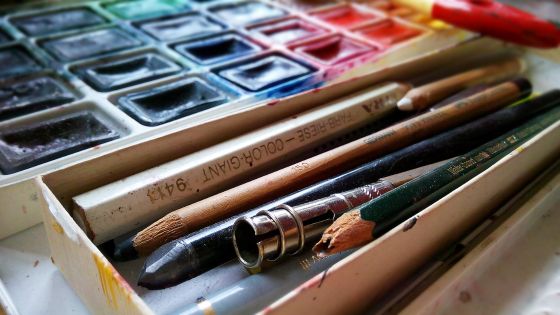
Achieving efficiency in the basic principles of art and design is important for those who want to be skilled artists or designers who want to overtake their skills and prepare impressive visual compositions. By understanding the importance of these basic concepts, people can prepare a strong foundation in visual aspects, design principles, color theory, composition methods and other related fields. This book will provide you practical tips and techniques to help you understand and implement basic principles of art and design. By doing this, you’ll be able to express your creativity and simplicity in your work.
Whether you’re a novice who wants to develop a strong set of skills or an experienced expert who is hoping to enhance your approach, this article will provide the necessary approach to enhance your creative activities. If you are a fan of Mario gaming character and wants to draw it, it requires practice when you will practice daily, you will easily understand how to draw princess peach face. It will demand the perfection over all drawing tools and lots of experience. Practical 10 tips below to increase your efficiency in this field are:
1. Practice Daily: Practice is necessary to learn the foundation of art and design. Take time every day to practice your business, whether it’s searching with drawing, painting, or digital tools. Increased practice leads to improved outcomes.
2. Study the Basics: Understand the primary principles of artwork and design, which includes color theory, composition, angle and form. Mastering these fundamental ideas will give your work a strong foundation.
3. Experiment with Different Mediums: Try working with various materials including pencil, paint, computer equipment and others. Using with different materials can identify you your skills and priorities.
4. Seek Inspiration: One of the most effective strategies to develop your art and design talent is to inspire from other artists and designers. Expand your creative borders by using with new styles, methods and materials. Go to art galleries, go to online galleries and follow important artists on social media for inspiration.
5. Attend Workshops and Classes: Take art and design courses or workshops to learn from professionals and make your approach comprehensive. Connecting with other artists can also get useful comments and incentives.
6. Receive Feedback: Demanding input from peers, masters or creative groups can get useful views on your work. Adopt creative criticism and see it as an opportunity to develop and improve yourself. Consider joining art clubs or virtual communities where you can share your work and get creative feedback from other artists.
7. Keep a Sketchbook: A sketchbook is an essential tool for every artist or designer. It’s useful to write ideas, underline initial conceptions and use with various compositions. A sketchbook enables you to record your ideas and inspirations while living on the road, and it’s an excellent tool to monitor your development over time.
8. Study Art History: Understanding the history of art and design can find useful information about various styles, movements and approaches. Take time to check out the works of famous artists and designers of many ages and civilizations. This information can motivate your own work and help you to get more awareness about the art world.
9. Practice Observation: Train your eyes to pay attention to details, size, color and textures in your environment. Practicing observation skills can help you to better reflect the world in your artwork.
10. Stay curious and Open-Minded: Accept curiosity and be open to new experiences and challenges. Study, explore, and continue to push yourself beyond your comfort zone.
By following these practical recommendations and taking time for practice and studies, you can masturbate the foundation of art and design and improve your creative capabilities.
Also Read Mastering the Art of Drawing: A Comprehensive Guide to Learning
Conclusion
Mastering principles of art and design include the desire to master and progress on an exercise, and on a regular basis. By adopting the methods and approaches mentioned in this book, you can improve your creative talent, advance your works and leave a permanent imprint on the world of art and design. Remember the concepts you’ve learned work as the foundation of your creative vision, giving you life with ease and confidence. Continue exploring, experimenting and tearing your art to reach your full potential as a creative professional. Action speaks louder than words, and that’s the same true for design too. Display your capabilities by displaying projects that display your grip on art and design concepts. Let your work speak yourself, whether through portfolio, through an online exhibition, or via social media updates. Expose your skills of developing attractive design that makes a permanent impact on the audience.